%69%6f%6e
-
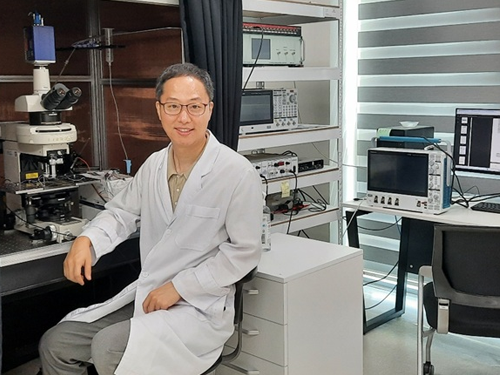 Immune Signals Directly Modulate Brain's Emotional Circuits: Unraveling the Mechanism Behind Anxiety-Inducing Behaviors
KAIST's Department of Brain and Cognitive Sciences, led by Professor Jeong-Tae Kwon, has collaborated with MIT and Harvard Medical School to make a groundbreaking discovery. For the first time globally, their joint research has revealed that cytokines, released during immune responses, directly influence the brain's emotional circuits to regulate anxiety behavior.
The study provided experimental evidence for a bidirectional regulatory mechanism: inflammatory cytokines IL-17A and IL-17C act on specific neurons in the amygdala, a region known for emotional regulation, increasing their excitability and consequently inducing anxiety. Conversely, the anti-inflammatory cytokine IL-10 was found to suppress excitability in these very same neurons, thereby contributing to anxiety alleviation.
In a mouse model, the research team observed that while skin inflammation was mitigated by immunotherapy (IL-17RA antibody), anxiety levels paradoxically rose. This was attributed to elevated circulating IL-17 family cytokines leading to the overactivation of amygdala neurons.
Key finding: Inflammatory cytokines IL-17A/17C promote anxiety by acting on excitable amygdala neurons (via IL-17RA/RE receptors), whereas anti-inflammatory cytokine IL-10 alleviates anxiety by suppressing excitability through IL-10RA receptors on the same neurons.
The researchers further elucidated that the anti-inflammatory cytokine IL-10 works to reduce the excitability of these amygdala neurons, thereby mitigating anxiety responses.
This research marks the first instance of demonstrating that immune responses, such as infections or inflammation, directly impact emotional regulation at the level of brain circuits, extending beyond simple physical reactions. This is a profoundly significant achievement, as it proposes a crucial biological mechanism that interlinks immunity, emotion, and behavior through identical neurons within the brain.
The findings of this research were published in the esteemed international journal Cell on April 17th of this year.
Paper Information:
Title: Inflammatory and anti-inflammatory cytokines bidirectionally modulate amygdala circuits regulating anxiety
Journal: Cell (Vol. 188, 2190–2220), April 17, 2025
DOI: https://doi.org/10.1016/j.cell.2025.03.005
Corresponding Authors: Professor Gloria Choi (MIT), Professor Jun R. Huh (Harvard Medical School)
2025.07.24 View 3615
Immune Signals Directly Modulate Brain's Emotional Circuits: Unraveling the Mechanism Behind Anxiety-Inducing Behaviors
KAIST's Department of Brain and Cognitive Sciences, led by Professor Jeong-Tae Kwon, has collaborated with MIT and Harvard Medical School to make a groundbreaking discovery. For the first time globally, their joint research has revealed that cytokines, released during immune responses, directly influence the brain's emotional circuits to regulate anxiety behavior.
The study provided experimental evidence for a bidirectional regulatory mechanism: inflammatory cytokines IL-17A and IL-17C act on specific neurons in the amygdala, a region known for emotional regulation, increasing their excitability and consequently inducing anxiety. Conversely, the anti-inflammatory cytokine IL-10 was found to suppress excitability in these very same neurons, thereby contributing to anxiety alleviation.
In a mouse model, the research team observed that while skin inflammation was mitigated by immunotherapy (IL-17RA antibody), anxiety levels paradoxically rose. This was attributed to elevated circulating IL-17 family cytokines leading to the overactivation of amygdala neurons.
Key finding: Inflammatory cytokines IL-17A/17C promote anxiety by acting on excitable amygdala neurons (via IL-17RA/RE receptors), whereas anti-inflammatory cytokine IL-10 alleviates anxiety by suppressing excitability through IL-10RA receptors on the same neurons.
The researchers further elucidated that the anti-inflammatory cytokine IL-10 works to reduce the excitability of these amygdala neurons, thereby mitigating anxiety responses.
This research marks the first instance of demonstrating that immune responses, such as infections or inflammation, directly impact emotional regulation at the level of brain circuits, extending beyond simple physical reactions. This is a profoundly significant achievement, as it proposes a crucial biological mechanism that interlinks immunity, emotion, and behavior through identical neurons within the brain.
The findings of this research were published in the esteemed international journal Cell on April 17th of this year.
Paper Information:
Title: Inflammatory and anti-inflammatory cytokines bidirectionally modulate amygdala circuits regulating anxiety
Journal: Cell (Vol. 188, 2190–2220), April 17, 2025
DOI: https://doi.org/10.1016/j.cell.2025.03.005
Corresponding Authors: Professor Gloria Choi (MIT), Professor Jun R. Huh (Harvard Medical School)
2025.07.24 View 3615 -
 Approaches to Human-Robot Interaction Using Biosignals
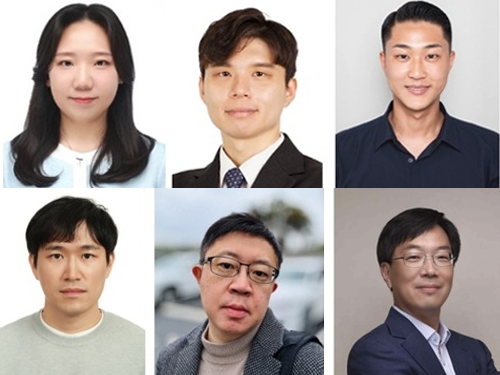
<(From left) Dr. Hwa-young Jeong, Professor Kyung-seo Park, Dr. Yoon-tae Jeong, Dr. Ji-hoon Seo, Professor Min-kyu Je, Professor Jung Kim >
A joint research team led by Professor Jung Kim of KAIST Department of Mechanical Engineering and Professor Min-kyu Je of the Department of Electrical and Electronic Engineering recently published a review paper on the latest trends and advancements in intuitive Human-Robot Interaction (HRI) using bio-potential and bio-impedance in the internationally renowned academic journal 'Nature Reviews Electrical Engineering'.
This review paper is the result of a collaborative effort by Dr. Kyung-seo Park (DGIST, co-first author), Dr. Hwa-young Jeong (EPFL, co-first author), Dr. Yoon-tae Jeong (IMEC), and Dr. Ji-hoon Seo (UCSD), all doctoral graduates from the two laboratories. Nature Reviews Electrical Engineering is a review specialized journal in the field of electrical, electronic, and artificial intelligence technology, newly launched by Nature Publishing Group last year. It is known to invite world-renowned scholars in the field through strict selection criteria. Professor Jung Kim's research team's paper, titled "Using bio-potential and bio-impedance for intuitive human-robot interaction," was published on July 18, 2025. (DOI: https://doi.org/10.1038/s44287-025-00191-5)
This review paper explains how biosignals can be used to quickly and accurately detect movement intentions and introduces advancements in movement prediction technology based on neural signals and muscle activity. It also focuses on the crucial role of integrated circuits (ICs) in maximizing low-noise performance and energy efficiency in biosignal sensing, covering thelatest development trends in low-noise, low-power designs for accurately measuring bio-potential and impedance signals.
The review emphasizes the importance of hybrid and multi-modal sensing approaches, presenting the possibility of building robust, intuitive, and scalable HRI systems. The research team stressed that collaboration between sensor and IC design fields is essential for the practical application of biosignal-based HRI systems and stated that interdisciplinary collaboration will play a significant role in the development of next-generation HRI technology. Dr. Hwa-young Jeong, a co-first author of the paper, presented the potential of bio-potential and impedance signals to make human-robot interaction more intuitive and efficient, predicting that it will make significant contributions to the development of HRI technologies such as rehabilitation robots and robotic prostheses using biosignals in the future. This research was supported by several research projects, including the Human Plus Project of the National Research Foundation of Korea.
2025.07.24 View 5513
Approaches to Human-Robot Interaction Using Biosignals
<(From left) Dr. Hwa-young Jeong, Professor Kyung-seo Park, Dr. Yoon-tae Jeong, Dr. Ji-hoon Seo, Professor Min-kyu Je, Professor Jung Kim >
A joint research team led by Professor Jung Kim of KAIST Department of Mechanical Engineering and Professor Min-kyu Je of the Department of Electrical and Electronic Engineering recently published a review paper on the latest trends and advancements in intuitive Human-Robot Interaction (HRI) using bio-potential and bio-impedance in the internationally renowned academic journal 'Nature Reviews Electrical Engineering'.
This review paper is the result of a collaborative effort by Dr. Kyung-seo Park (DGIST, co-first author), Dr. Hwa-young Jeong (EPFL, co-first author), Dr. Yoon-tae Jeong (IMEC), and Dr. Ji-hoon Seo (UCSD), all doctoral graduates from the two laboratories. Nature Reviews Electrical Engineering is a review specialized journal in the field of electrical, electronic, and artificial intelligence technology, newly launched by Nature Publishing Group last year. It is known to invite world-renowned scholars in the field through strict selection criteria. Professor Jung Kim's research team's paper, titled "Using bio-potential and bio-impedance for intuitive human-robot interaction," was published on July 18, 2025. (DOI: https://doi.org/10.1038/s44287-025-00191-5)
This review paper explains how biosignals can be used to quickly and accurately detect movement intentions and introduces advancements in movement prediction technology based on neural signals and muscle activity. It also focuses on the crucial role of integrated circuits (ICs) in maximizing low-noise performance and energy efficiency in biosignal sensing, covering thelatest development trends in low-noise, low-power designs for accurately measuring bio-potential and impedance signals.
The review emphasizes the importance of hybrid and multi-modal sensing approaches, presenting the possibility of building robust, intuitive, and scalable HRI systems. The research team stressed that collaboration between sensor and IC design fields is essential for the practical application of biosignal-based HRI systems and stated that interdisciplinary collaboration will play a significant role in the development of next-generation HRI technology. Dr. Hwa-young Jeong, a co-first author of the paper, presented the potential of bio-potential and impedance signals to make human-robot interaction more intuitive and efficient, predicting that it will make significant contributions to the development of HRI technologies such as rehabilitation robots and robotic prostheses using biosignals in the future. This research was supported by several research projects, including the Human Plus Project of the National Research Foundation of Korea.
2025.07.24 View 5513 -
 KAIST School of Transdisciplinary Studies Is Driving Innovation in Korean Education
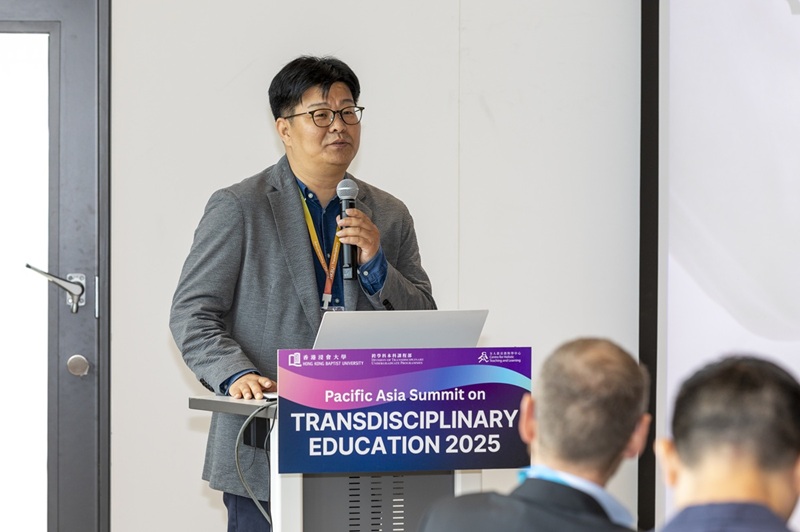
<(From Left) Professor Jaeseung Jeong, haed of the School of Transdiciplinary Studies, Dr, Albert Chau, Vice President of Hong Kong Baptist University>
KAIST (President Kwang Hyung Lee) announced on the 24th of July that its School of Transdisciplinary Studies has been consistently showcasing the results of its experiments and practices for educational innovation both domestically and abroad.
On June 27, Professor Jaeseung Jeong, head of the School of Transdisciplinary Studies, was invited to speak at the “Pacific Asia Summit on Transdisciplinary Education 2025 (PASTE 2025)” held at Hong Kong Baptist University. He presented the Korean model of transdisciplinary education under the title “The Philosophy and Achievements of the KAIST School of Transdisciplinary Studies.”
In his talk, Professor Jeong pointed out the limitations of conventional education systems that rely on answer-centered evaluation, perfectionism, and competitiveness, claiming that they hinder creativity and integrative thinking. He then introduced the philosophy and operational practices of the School of Transdisciplinary Studies, which was established in 2019 to overcome these issues.
Professor Jeong outlined five key principles that define the school's educational philosophy: ①a broad and integrative academic foundation, ②student-driven and customized education, ③creativity and execution, ④a sense of social responsibility and global citizenship, and ⑤learning driven by intrinsic motivation and curiosity. He explained that students are admitted without a declared major, allowed to design their own learning plans, and evaluated under a P/NR system* that focuses on growth rather than competition.
*P/NR system: A non-competitive grading system led by KAIST’s School of Transdisciplinary Studies. Instead of traditional letter grades (A/B/C/Fail), students receive Pass (P) or No Record (NR), with the latter not appearing as a failure and not affecting GPA.
Professor Jeong emphasized, “This experiment at KAIST represents a new educational paradigm that values questions over knowledge, culture over structure, and inquiry over competition. Students are bridging academic learning and real-world practice by addressing societal challenges through technology, which could lead to a fundamental shift in global higher education.”
His presentation provided an opportunity to spotlight how KAIST’s experimental approach to nurturing transdisciplinary talent is pointing to new directions for the global education community beyond Korea.
< Hyungjoon Jang, a student at the School of Transdisciplinary Studies>
The achievements of KAIST’s transdisciplinary education model are also reflected in students’ academic accomplishments. Hyungjoon Jang, a student at the School of Transdisciplinary Studies, participated in a collaborative study led by his mentor, Professor Jaekyung Kim in the Department of Mathematical Sciences, along with researchers from Chungnam National University and the Institute for Basic Science (IBS). Their groundbreaking analytical method enables the accurate estimation of inhibition constants using only a single inhibitor concentration. The paper was published in the prestigious journal Nature Communications in June, with Jang listed as co–first author.
Jang played a leading role throughout the research process by developing the experimental methodology, creating a software package to support the method, drafting the manuscript, and engaging in peer review. He also effectively communicated mathematical and statistical models to pharmaceutical experts by mastering presentation techniques and visual explanation strategies, thereby setting a strong example of interdisciplinary collaboration.
He emphasized that “the School of Transdisciplinary Studies’ mentor system allowed regular research feedback and the systematic acquisition of essential knowledge and analytical skills through courses in biochemistry and computational neuroscience.”
This example demonstrates how undergraduate students at the School of Transdisciplinary Studies can take leading roles in cutting-edge interdisciplinary research.
The school’s educational philosophy is also reflected in students’ practical actions. Inseo Jeong, a current student and founder of the startup MPAge Inc., made a meaningful donation to help establish a creative makerspace in the school.
<Inseo Jeong, founder of MPAG>
Inseo Jeong explained that the decision was made to express gratitude for the knowledge gained and the mentorship received from professors, saying that at the School of Transdisciplinary Studies, she learned not only how to solve problems with technology but also how to view society, and that learning has helped her grow. She added, “The deep understanding of humanity and the world emphasized by Professor Jaeseung Jeong will be a great asset not only to entrepreneurs but to all students pursuing diverse paths,” expressing support for her fellow students.
Inseo Jeong collaborated for over two years with Professor Hyunwook Ka of the School of Transdisciplinary Studies on software research for individuals with hearing impairments. After numerous algorithm designs and experimental iterations, their work, which considered the social scalability of technology, was presented at the world-renowned CSUN Assistive Technology Conference held at California State University, Northridge. The project has filed for a patent under KAIST’s name.
※ Presentation title: Evidence-Based Adaptive Transcription for Sign Language Users
KAIST is now working to complete the makerspace on the third floor of the Administrative Annex (N2) in Room 314 with a size of approximately 33 m2 during the summer. The makerspace is expected to serve as a hands-on, integrative learning environment where various ideas can be realized and implemented, playing a key role in fostering students’ creative problem-solving and integrative thinking skills.
KAIST President Kwang Hyung Lee stated, “The School of Transdisciplinary Studies is both an experimental ground and a practical field for overcoming the limitations of traditional education and nurturing global talents with creative problem-solving skills and integrative thinking, which are essential for the future.” He added, “KAIST will continue to lead efforts to cultivate question-asking, inquiry-driven, transdisciplinary talents and propose new paradigms for education and research.”
2025.07.24 View 3375
KAIST School of Transdisciplinary Studies Is Driving Innovation in Korean Education
<(From Left) Professor Jaeseung Jeong, haed of the School of Transdiciplinary Studies, Dr, Albert Chau, Vice President of Hong Kong Baptist University>
KAIST (President Kwang Hyung Lee) announced on the 24th of July that its School of Transdisciplinary Studies has been consistently showcasing the results of its experiments and practices for educational innovation both domestically and abroad.
On June 27, Professor Jaeseung Jeong, head of the School of Transdisciplinary Studies, was invited to speak at the “Pacific Asia Summit on Transdisciplinary Education 2025 (PASTE 2025)” held at Hong Kong Baptist University. He presented the Korean model of transdisciplinary education under the title “The Philosophy and Achievements of the KAIST School of Transdisciplinary Studies.”
In his talk, Professor Jeong pointed out the limitations of conventional education systems that rely on answer-centered evaluation, perfectionism, and competitiveness, claiming that they hinder creativity and integrative thinking. He then introduced the philosophy and operational practices of the School of Transdisciplinary Studies, which was established in 2019 to overcome these issues.
Professor Jeong outlined five key principles that define the school's educational philosophy: ①a broad and integrative academic foundation, ②student-driven and customized education, ③creativity and execution, ④a sense of social responsibility and global citizenship, and ⑤learning driven by intrinsic motivation and curiosity. He explained that students are admitted without a declared major, allowed to design their own learning plans, and evaluated under a P/NR system* that focuses on growth rather than competition.
*P/NR system: A non-competitive grading system led by KAIST’s School of Transdisciplinary Studies. Instead of traditional letter grades (A/B/C/Fail), students receive Pass (P) or No Record (NR), with the latter not appearing as a failure and not affecting GPA.
Professor Jeong emphasized, “This experiment at KAIST represents a new educational paradigm that values questions over knowledge, culture over structure, and inquiry over competition. Students are bridging academic learning and real-world practice by addressing societal challenges through technology, which could lead to a fundamental shift in global higher education.”
His presentation provided an opportunity to spotlight how KAIST’s experimental approach to nurturing transdisciplinary talent is pointing to new directions for the global education community beyond Korea.
< Hyungjoon Jang, a student at the School of Transdisciplinary Studies>
The achievements of KAIST’s transdisciplinary education model are also reflected in students’ academic accomplishments. Hyungjoon Jang, a student at the School of Transdisciplinary Studies, participated in a collaborative study led by his mentor, Professor Jaekyung Kim in the Department of Mathematical Sciences, along with researchers from Chungnam National University and the Institute for Basic Science (IBS). Their groundbreaking analytical method enables the accurate estimation of inhibition constants using only a single inhibitor concentration. The paper was published in the prestigious journal Nature Communications in June, with Jang listed as co–first author.
Jang played a leading role throughout the research process by developing the experimental methodology, creating a software package to support the method, drafting the manuscript, and engaging in peer review. He also effectively communicated mathematical and statistical models to pharmaceutical experts by mastering presentation techniques and visual explanation strategies, thereby setting a strong example of interdisciplinary collaboration.
He emphasized that “the School of Transdisciplinary Studies’ mentor system allowed regular research feedback and the systematic acquisition of essential knowledge and analytical skills through courses in biochemistry and computational neuroscience.”
This example demonstrates how undergraduate students at the School of Transdisciplinary Studies can take leading roles in cutting-edge interdisciplinary research.
The school’s educational philosophy is also reflected in students’ practical actions. Inseo Jeong, a current student and founder of the startup MPAge Inc., made a meaningful donation to help establish a creative makerspace in the school.
<Inseo Jeong, founder of MPAG>
Inseo Jeong explained that the decision was made to express gratitude for the knowledge gained and the mentorship received from professors, saying that at the School of Transdisciplinary Studies, she learned not only how to solve problems with technology but also how to view society, and that learning has helped her grow. She added, “The deep understanding of humanity and the world emphasized by Professor Jaeseung Jeong will be a great asset not only to entrepreneurs but to all students pursuing diverse paths,” expressing support for her fellow students.
Inseo Jeong collaborated for over two years with Professor Hyunwook Ka of the School of Transdisciplinary Studies on software research for individuals with hearing impairments. After numerous algorithm designs and experimental iterations, their work, which considered the social scalability of technology, was presented at the world-renowned CSUN Assistive Technology Conference held at California State University, Northridge. The project has filed for a patent under KAIST’s name.
※ Presentation title: Evidence-Based Adaptive Transcription for Sign Language Users
KAIST is now working to complete the makerspace on the third floor of the Administrative Annex (N2) in Room 314 with a size of approximately 33 m2 during the summer. The makerspace is expected to serve as a hands-on, integrative learning environment where various ideas can be realized and implemented, playing a key role in fostering students’ creative problem-solving and integrative thinking skills.
KAIST President Kwang Hyung Lee stated, “The School of Transdisciplinary Studies is both an experimental ground and a practical field for overcoming the limitations of traditional education and nurturing global talents with creative problem-solving skills and integrative thinking, which are essential for the future.” He added, “KAIST will continue to lead efforts to cultivate question-asking, inquiry-driven, transdisciplinary talents and propose new paradigms for education and research.”
2025.07.24 View 3375 -
 KAIST Designs a New Atomic Catalyst for Air Pollution Reduction
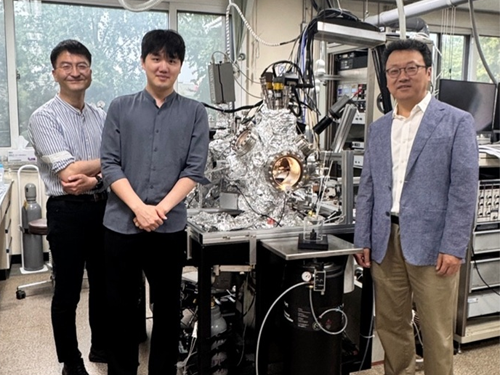
<(From Left)Professor Jong Hun Kim from Inha University, Dr. Gyuho Han and Professor Jeong Young Park from KAIST>
Platinum diselenide (PtSe2) is a two-dimensional multilayer material in which each layer is composed of platinum (Pt) and selenium (Se). It is known that its excellent crystallinity and precise control of interlayer interactions allow modulation of various physical and chemical properties. Due to these characteristics, it has been actively researched in multiple fields, including semiconductors, photodetectors, and electrochemical devices. Now, a research team has proposed a new design concept in which atomically dispersed platinum on the surface of platinum diselenide can function as a catalyst for gas reactions. Through this, they have proven its potential as a next-generation gas-phase catalyst technology for high-efficiency carbon dioxide conversion and carbon monoxide reduction.
KAIST (President Kwang Hyung Lee) announced on July 22 that a joint research team led by Endowed Chair Professor Jeong Young Park from the Department of Chemistry, along with Professor Hyun You Kim's team from Chungnam National University and Professor Yeonwoong (Eric) Jung's team from the University of Central Florida (UCF), has achieved excellent carbon monoxide oxidation performance by utilizing platinum atoms exposed on the surface of platinum diselenide, a type of two-dimensional transition metal dichalcogenide (TMD).
To maximize catalytic performance, the research team designed the catalyst by dispersing platinum atoms uniformly across the surface, departing from the conventional use of bulk platinum. This strategy allows more efficient catalytic reactions using a smaller amount of platinum. It also enhances electronic interactions between platinum and selenium by tuning the surface electronic structure. As a result, the platinum diselenide film with a thickness of a few nanometers showed superior carbon monoxide oxidation performance across the entire temperature range compared to a conventional platinum thin film under identical conditions.
In particular, carbon monoxide and oxygen were evenly adsorbed on the surface in similar proportions, increasing the likelihood that they would encounter each other and react, which significantly enhanced the catalytic activity. This improvement is primarily attributed to the increased exposure of surface platinum atoms resulting from selenium vacancies (Se-vacancies), which provide adsorption sites for gas molecules.
The research team confirmed in real-time that these platinum atoms served as active adsorption sites during the actual reaction process, using ambient-pressure X-ray photoelectron spectroscopy (AP-XPS) conducted at the Pohang Accelerator Laboratory. This high-precision analysis was enabled by advanced instrumentation capable of observing surfaces at the nanometer scale under ambient pressure conditions. At the same time, computer simulations based on density functional theory (DFT) demonstrated that platinum diselenide exhibits distinct electronic behavior compared to conventional platinum.
*Density Functional Theory (DFT): A quantum mechanical method for calculating the total energy of a system based on electron density.
Professor Jeong Young Park stated, “This research presents a new design strategy that utilizes platinum diselenide, a two-dimensional layered material distinct from conventional platinum catalysts, to enable catalytic functions optimized for gas-phase reactions.” He added, “The electronic interaction between platinum and selenium created favorable conditions for the balanced adsorption of carbon monoxide and oxygen. By designing the catalyst to exhibit higher reactivity across the entire temperature range than conventional platinum, we improved its practical applicability. This enabled a high-efficiency catalytic reaction mechanism through atomic-level design, a two-dimensional material platform, and precise adsorption control.”
This research was co-authored by Dr. Gyuho Han from the Department of Chemistry at KAIST, Dr. Hyuk Choi from the Department of Materials Science and Engineering at Chungnam National University, and Professor Jong Hun Kim from Inha University. The study was published on July 3 in the world-renowned journal Nature Communications.
Paper Title: Enhanced catalytic activity on atomically dispersed PtSe2 two-dimensional layers
DOI: 10.1038/s41467-025-61320-0
This research was supported by the Mid-Career Researcher Program of the Ministry of Science and ICT, the Core Research Institute Program of the Ministry of Education, the National Strategic Technology Materials Development Project, the U.S. National Science Foundation (NSF) CAREER Program, research funding from Inha University, and the Postdoctoral Researcher Program (P3) at UCF. Accelerator-based analysis was conducted in cooperation with the Pohang Accelerator Laboratory and the Korea Basic Science Institute (KBSI).
2025.07.22 View 3912
KAIST Designs a New Atomic Catalyst for Air Pollution Reduction
<(From Left)Professor Jong Hun Kim from Inha University, Dr. Gyuho Han and Professor Jeong Young Park from KAIST>
Platinum diselenide (PtSe2) is a two-dimensional multilayer material in which each layer is composed of platinum (Pt) and selenium (Se). It is known that its excellent crystallinity and precise control of interlayer interactions allow modulation of various physical and chemical properties. Due to these characteristics, it has been actively researched in multiple fields, including semiconductors, photodetectors, and electrochemical devices. Now, a research team has proposed a new design concept in which atomically dispersed platinum on the surface of platinum diselenide can function as a catalyst for gas reactions. Through this, they have proven its potential as a next-generation gas-phase catalyst technology for high-efficiency carbon dioxide conversion and carbon monoxide reduction.
KAIST (President Kwang Hyung Lee) announced on July 22 that a joint research team led by Endowed Chair Professor Jeong Young Park from the Department of Chemistry, along with Professor Hyun You Kim's team from Chungnam National University and Professor Yeonwoong (Eric) Jung's team from the University of Central Florida (UCF), has achieved excellent carbon monoxide oxidation performance by utilizing platinum atoms exposed on the surface of platinum diselenide, a type of two-dimensional transition metal dichalcogenide (TMD).
To maximize catalytic performance, the research team designed the catalyst by dispersing platinum atoms uniformly across the surface, departing from the conventional use of bulk platinum. This strategy allows more efficient catalytic reactions using a smaller amount of platinum. It also enhances electronic interactions between platinum and selenium by tuning the surface electronic structure. As a result, the platinum diselenide film with a thickness of a few nanometers showed superior carbon monoxide oxidation performance across the entire temperature range compared to a conventional platinum thin film under identical conditions.
In particular, carbon monoxide and oxygen were evenly adsorbed on the surface in similar proportions, increasing the likelihood that they would encounter each other and react, which significantly enhanced the catalytic activity. This improvement is primarily attributed to the increased exposure of surface platinum atoms resulting from selenium vacancies (Se-vacancies), which provide adsorption sites for gas molecules.
The research team confirmed in real-time that these platinum atoms served as active adsorption sites during the actual reaction process, using ambient-pressure X-ray photoelectron spectroscopy (AP-XPS) conducted at the Pohang Accelerator Laboratory. This high-precision analysis was enabled by advanced instrumentation capable of observing surfaces at the nanometer scale under ambient pressure conditions. At the same time, computer simulations based on density functional theory (DFT) demonstrated that platinum diselenide exhibits distinct electronic behavior compared to conventional platinum.
*Density Functional Theory (DFT): A quantum mechanical method for calculating the total energy of a system based on electron density.
Professor Jeong Young Park stated, “This research presents a new design strategy that utilizes platinum diselenide, a two-dimensional layered material distinct from conventional platinum catalysts, to enable catalytic functions optimized for gas-phase reactions.” He added, “The electronic interaction between platinum and selenium created favorable conditions for the balanced adsorption of carbon monoxide and oxygen. By designing the catalyst to exhibit higher reactivity across the entire temperature range than conventional platinum, we improved its practical applicability. This enabled a high-efficiency catalytic reaction mechanism through atomic-level design, a two-dimensional material platform, and precise adsorption control.”
This research was co-authored by Dr. Gyuho Han from the Department of Chemistry at KAIST, Dr. Hyuk Choi from the Department of Materials Science and Engineering at Chungnam National University, and Professor Jong Hun Kim from Inha University. The study was published on July 3 in the world-renowned journal Nature Communications.
Paper Title: Enhanced catalytic activity on atomically dispersed PtSe2 two-dimensional layers
DOI: 10.1038/s41467-025-61320-0
This research was supported by the Mid-Career Researcher Program of the Ministry of Science and ICT, the Core Research Institute Program of the Ministry of Education, the National Strategic Technology Materials Development Project, the U.S. National Science Foundation (NSF) CAREER Program, research funding from Inha University, and the Postdoctoral Researcher Program (P3) at UCF. Accelerator-based analysis was conducted in cooperation with the Pohang Accelerator Laboratory and the Korea Basic Science Institute (KBSI).
2025.07.22 View 3912 -
 KAIST Develops New AI Inference-Scaling Method for Planning
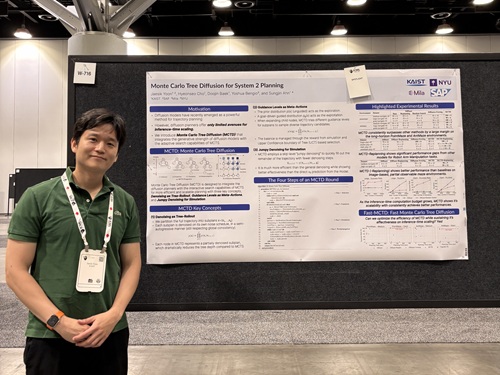
<(From Left) Professor Sungjin Ahn, Ph.D candidate Jaesik Yoon, M.S candidate Hyeonseo Cho, M.S candidate Doojin Baek, Professor Yoshua Bengio>
<Ph.D candidate Jaesik Yoon from professor Ahn's research team>
Diffusion models are widely used in many AI applications, but research on efficient inference-time scalability*, particularly for reasoning and planning (known as System 2 abilities) has been lacking. In response, the research team has developed a new technology that enables high-performance and efficient inference for planning based on diffusion models. This technology demonstrated its performance by achieving a 100% success rate on an giant maze-solving task that no existing model had succeeded in. The results are expected to serve as core technology in various fields requiring real-time decision-making, such as intelligent robotics and real-time generative AI.
*Inference-time scalability: Refers to an AI model’s ability to flexibly adjust performance based on the computational resources available during inference.
KAIST (President Kwang Hyung Lee) announced on the 20th that a research team led by Professor Sungjin Ahn in the School of Computing has developed a new technology that significantly improves the inference-time scalability of diffusion-based reasoning through joint research with Professor Yoshua Bengio of the University of Montreal, a world-renowned scholar in deep learning. This study was carried out as part of a collaboration between KAIST and Mila (Quebec AI Institute) through the Prefrontal AI Joint Research Center.
This technology is gaining attention as a core AI technology that, after training, allows the AI to efficiently utilize more computational resources during inference to solve complex reasoning and planning problems that cannot be addressed merely by scaling up data or model size. However, current diffusion models used across various applications lack effective methodologies for implementing such scalability particularly for reasoning and planning.
To address this, Professor Ahn’s research team collaborated with Professor Bengio to propose a novel diffusion model inference technique based on Monte Carlo Tree Search. This method explores diverse generation paths during the diffusion process in a tree structure and is designed to efficiently identify high-quality outputs even with limited computational resources. As a result, it achieved a 100% success rate on the "giant-scale maze-solving" task, where previous methods had a 0% success rate.
In the follow-up research, the team also succeeded in significantly improving the major drawback of the proposed method—its slow speed. By efficiently parallelizing the tree search and optimizing computational cost, they achieved results of equal or superior quality up to 100 times faster than the previous version. This is highly meaningful as it demonstrates the method’s inference capabilities and real-time applicability simultaneously.
Professor Sungjin Ahn stated, “This research fundamentally overcomes the limitations of existing planning method based on diffusion models, which required high computational cost,” adding, “It can serve as core technology in various areas such as intelligent robotics, simulation-based decision-making, and real-time generative AI.”
The research results were presented as Spotlight papers (top 2.6% of all accepted papers) by doctoral student Jaesik Yoon of the School of Computing at the 42nd International Conference on Machine Learning (ICML 2025), held in Vancouver, Canada, from July 13 to 19.
※ Paper titles: Monte Carlo Tree Diffusion for System 2 Planning (Jaesik Yoon, Hyeonseo Cho, Doojin Baek, Yoshua Bengio, Sungjin Ahn, ICML 25), Fast Monte Carlo Tree Diffusion: 100x Speedup via Parallel Sparse Planning (Jaesik Yoon, Hyeonseo Cho, Yoshua Bengio, Sungjin Ahn)
※ DOI: https://doi.org/10.48550/arXiv.2502.07202, https://doi.org/10.48550/arXiv.2506.09498
This research was supported by the National Research Foundation of Korea.
2025.07.21 View 3131
KAIST Develops New AI Inference-Scaling Method for Planning
<(From Left) Professor Sungjin Ahn, Ph.D candidate Jaesik Yoon, M.S candidate Hyeonseo Cho, M.S candidate Doojin Baek, Professor Yoshua Bengio>
<Ph.D candidate Jaesik Yoon from professor Ahn's research team>
Diffusion models are widely used in many AI applications, but research on efficient inference-time scalability*, particularly for reasoning and planning (known as System 2 abilities) has been lacking. In response, the research team has developed a new technology that enables high-performance and efficient inference for planning based on diffusion models. This technology demonstrated its performance by achieving a 100% success rate on an giant maze-solving task that no existing model had succeeded in. The results are expected to serve as core technology in various fields requiring real-time decision-making, such as intelligent robotics and real-time generative AI.
*Inference-time scalability: Refers to an AI model’s ability to flexibly adjust performance based on the computational resources available during inference.
KAIST (President Kwang Hyung Lee) announced on the 20th that a research team led by Professor Sungjin Ahn in the School of Computing has developed a new technology that significantly improves the inference-time scalability of diffusion-based reasoning through joint research with Professor Yoshua Bengio of the University of Montreal, a world-renowned scholar in deep learning. This study was carried out as part of a collaboration between KAIST and Mila (Quebec AI Institute) through the Prefrontal AI Joint Research Center.
This technology is gaining attention as a core AI technology that, after training, allows the AI to efficiently utilize more computational resources during inference to solve complex reasoning and planning problems that cannot be addressed merely by scaling up data or model size. However, current diffusion models used across various applications lack effective methodologies for implementing such scalability particularly for reasoning and planning.
To address this, Professor Ahn’s research team collaborated with Professor Bengio to propose a novel diffusion model inference technique based on Monte Carlo Tree Search. This method explores diverse generation paths during the diffusion process in a tree structure and is designed to efficiently identify high-quality outputs even with limited computational resources. As a result, it achieved a 100% success rate on the "giant-scale maze-solving" task, where previous methods had a 0% success rate.
In the follow-up research, the team also succeeded in significantly improving the major drawback of the proposed method—its slow speed. By efficiently parallelizing the tree search and optimizing computational cost, they achieved results of equal or superior quality up to 100 times faster than the previous version. This is highly meaningful as it demonstrates the method’s inference capabilities and real-time applicability simultaneously.
Professor Sungjin Ahn stated, “This research fundamentally overcomes the limitations of existing planning method based on diffusion models, which required high computational cost,” adding, “It can serve as core technology in various areas such as intelligent robotics, simulation-based decision-making, and real-time generative AI.”
The research results were presented as Spotlight papers (top 2.6% of all accepted papers) by doctoral student Jaesik Yoon of the School of Computing at the 42nd International Conference on Machine Learning (ICML 2025), held in Vancouver, Canada, from July 13 to 19.
※ Paper titles: Monte Carlo Tree Diffusion for System 2 Planning (Jaesik Yoon, Hyeonseo Cho, Doojin Baek, Yoshua Bengio, Sungjin Ahn, ICML 25), Fast Monte Carlo Tree Diffusion: 100x Speedup via Parallel Sparse Planning (Jaesik Yoon, Hyeonseo Cho, Yoshua Bengio, Sungjin Ahn)
※ DOI: https://doi.org/10.48550/arXiv.2502.07202, https://doi.org/10.48550/arXiv.2506.09498
This research was supported by the National Research Foundation of Korea.
2025.07.21 View 3131 -
 KAIST's Lim Mi-hee wins Korea's L'Oréal-UNESCO Women in Science Award
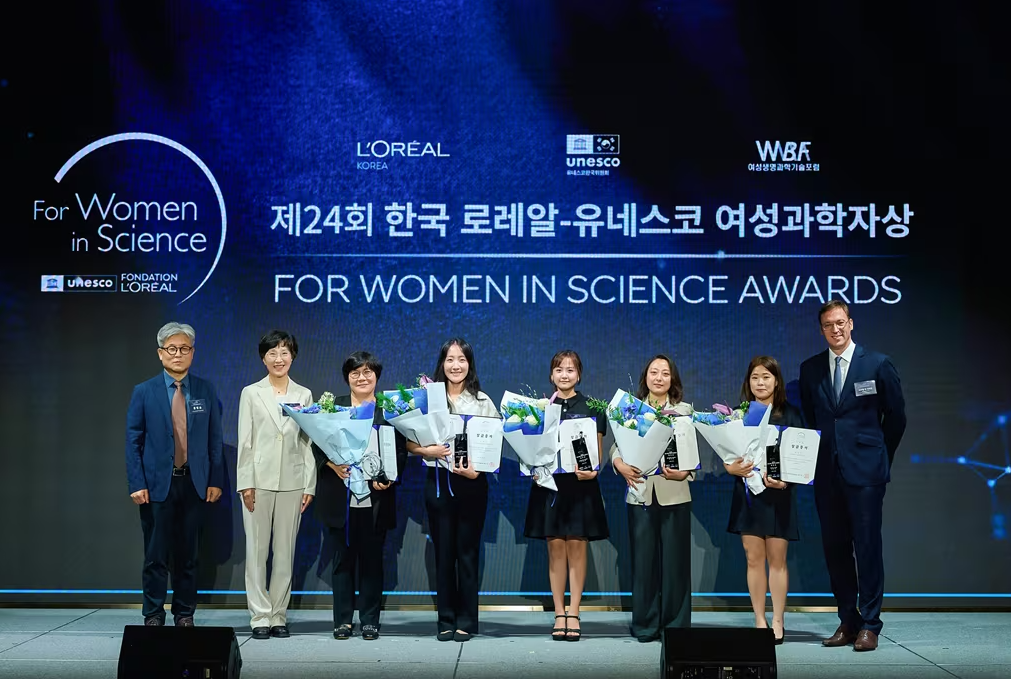
Lim Mi-hee, a professor at the Korea Advanced Institute of Science and Technology (KAIST) Department of Chemistry, received the Academic Promotion Award at the 24th Korean L'Oréal-UNESCO Women in Science Awards ceremony.
L'Oréal Korea, the Korean National Commission for UNESCO, and the Women’s Bioscience Forum held the 24th Korean L'Oréal-UNESCO Women in Science Awards ceremony on the 16th and noted that Lim Mi-hee was selected for this year’s Academic Promotion Award.
Professor Lim was recognized for her research on the causes of Alzheimer's disease at the molecular level and her efforts in the discovery of intracellular proteins that promote the toxicity of Alzheimer’s-inducing factors. Professor Lim is a full member of the Korean Academy of Science and Technology (KAST) and has received several awards including the Hanseong Science Award, this year's Women in Science and Technology Award, and the RIGAKU-ACCC Award (Asia's top woman scientist).
The fellowship section, awarded to four emerging women scientists, includes Kang Mi-kyung, an assistant professor at Korea University’s Department of Health and Environmental Sciences; Jeon Ji-hye, an assistant professor at Gyeongsang National University’s Department of Life Sciences; Jo Yu-na, a research professor at Pusan National University’s College of Medicine; and Lee Jeong-hyun, an assistant professor at Kongju National University’s Department of Environmental Education.
The recipients of the Academic Promotion Award and fellowships will receive a certificate and a trophy, along with research funding of 30 million won and 7 million won, respectively.
Samuel du Retail, the representative of L'Oréal Korea, said, “The L'Oréal Group continues to support the empowerment of women scientists and the improvement of research environments worldwide under the philosophy that 'the world needs science, and science needs women.' We will actively support more female talents to shine at the center of scientific and technological advancement in the future.”
2025.07.18 View 1676
KAIST's Lim Mi-hee wins Korea's L'Oréal-UNESCO Women in Science Award
Lim Mi-hee, a professor at the Korea Advanced Institute of Science and Technology (KAIST) Department of Chemistry, received the Academic Promotion Award at the 24th Korean L'Oréal-UNESCO Women in Science Awards ceremony.
L'Oréal Korea, the Korean National Commission for UNESCO, and the Women’s Bioscience Forum held the 24th Korean L'Oréal-UNESCO Women in Science Awards ceremony on the 16th and noted that Lim Mi-hee was selected for this year’s Academic Promotion Award.
Professor Lim was recognized for her research on the causes of Alzheimer's disease at the molecular level and her efforts in the discovery of intracellular proteins that promote the toxicity of Alzheimer’s-inducing factors. Professor Lim is a full member of the Korean Academy of Science and Technology (KAST) and has received several awards including the Hanseong Science Award, this year's Women in Science and Technology Award, and the RIGAKU-ACCC Award (Asia's top woman scientist).
The fellowship section, awarded to four emerging women scientists, includes Kang Mi-kyung, an assistant professor at Korea University’s Department of Health and Environmental Sciences; Jeon Ji-hye, an assistant professor at Gyeongsang National University’s Department of Life Sciences; Jo Yu-na, a research professor at Pusan National University’s College of Medicine; and Lee Jeong-hyun, an assistant professor at Kongju National University’s Department of Environmental Education.
The recipients of the Academic Promotion Award and fellowships will receive a certificate and a trophy, along with research funding of 30 million won and 7 million won, respectively.
Samuel du Retail, the representative of L'Oréal Korea, said, “The L'Oréal Group continues to support the empowerment of women scientists and the improvement of research environments worldwide under the philosophy that 'the world needs science, and science needs women.' We will actively support more female talents to shine at the center of scientific and technological advancement in the future.”
2025.07.18 View 1676 -
 KAIST Holds '2025 KAIST Science Frontier Camp' for Multicultural Youth
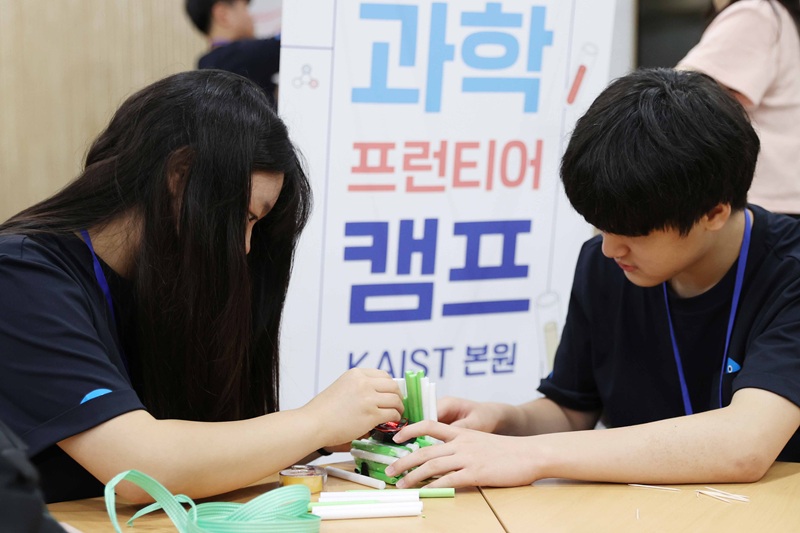
<2025 KAIST Science Frontier Camp Activities>
KAIST (President Kwang Hyung Lee) announced on the 18th of July that it hosted the '2025 KAIST Science Frontier Camp' for multicultural youth from the 15th for three days and two nights at the Creative Learning Building on its main campus in Daejeon.
This event was organized in accordance with the 'Multicultural Talent Nurturing Agreement' signed by KAIST and GS Caltex in 2024. It marks the first year of a mid-to-long-term project in which 100 million KRW in development funds will be contributed annually for four years. The Global Institute for Talented Education organized the camp, and approximately 30 middle school students from multicultural families affiliated with the 'Hanmaum Educational Volunteer Group' (Director, Honorary Professor Byung Kyu Choi), a mentoring and volunteer organization for multicultural students, participated.
The camp participants enjoyed developing their scientific thinking skills and problem-solving abilities, and broadening their understanding of STEM (Science, Technology, Engineering, and Mathematics) career paths through a variety of science activity programs, including: △'Black Box: Record the Egg's Last Moment!' △'Find the Best Strategy! Heuristic Algorithm Challenge' △'Future Society and AI, Finding Career Directions' △'Distance Dominates the World!' and △'Career Talk Concert.'
During the opening ceremony, Director Byung Kyu Choi delivered a congratulatory speech. Additionally, Yong Hyun Kim, Dean of Admissions at KAIST, gave a special lecture titled 'La La Land KAIST – A Story of Chasing the Dream of a Young Scientist,' sharing honest stories about careers and dreams as a scientist.
Gi Jung Yoo, a freshman from the Division of Undeclared Majors who participated in the camp as a student mentor, shared that he had a very meaningful time mentoring the participating students, who are future STEM hopefuls, sharing vivid experiences as well as insights on metric functions. He added his hope that more students would be given such opportunities.
< Students Actively Taking Part in the Camp Activities>
Si Jong Kwak, Director of the Global Institute for Talented Education, stated, "We hope this will be a practical way to help students foster their interest in science, learn the joy of discussion and communication, and design their future."
KAIST President Kwang Hyung Lee remarked, "This camp was a valuable opportunity for students from diverse cultural backgrounds to gain confidence through science and envision their future." He added, "KAIST will continue to dedicate efforts to nurturing multicultural talent and contribute to creating a sustainable society."
Since 2024, KAIST has introduced and selected multicultural students through its Equal Opportunity Admission track. Utilizing the development funds from GS Caltex, KAIST also established the 'GS Caltex Multicultural Excellence Scholarship Program.' Through this scholarship program, undergraduate students from multicultural families receive living expenses each semester, allowing them to focus more stably on their studies. As the number of applicants for the Equal Opportunity Admission track is increasing every year, more multicultural students are expected to benefit from scholarships in the future.
Additionally, in May, both organizations invited Ms. Si Si Wu Fong, a foreign employee at GS Caltex, to give a special lecture titled 'Working Life for Foreigners in Korea' to support foreign students' career exploration. Foreign students who attended the lecture reported positive feedback, stating that they gained practical career information and were motivated to pursue employment in STEM fields in Korea.
KAIST plans to continue strengthening its efforts to nurture multicultural talent, increase understanding of the upcoming multicultural society, and help spread social values.
<At the 2025 KAIST Science Frontier Camp>
2025.07.18 View 3490
KAIST Holds '2025 KAIST Science Frontier Camp' for Multicultural Youth
<2025 KAIST Science Frontier Camp Activities>
KAIST (President Kwang Hyung Lee) announced on the 18th of July that it hosted the '2025 KAIST Science Frontier Camp' for multicultural youth from the 15th for three days and two nights at the Creative Learning Building on its main campus in Daejeon.
This event was organized in accordance with the 'Multicultural Talent Nurturing Agreement' signed by KAIST and GS Caltex in 2024. It marks the first year of a mid-to-long-term project in which 100 million KRW in development funds will be contributed annually for four years. The Global Institute for Talented Education organized the camp, and approximately 30 middle school students from multicultural families affiliated with the 'Hanmaum Educational Volunteer Group' (Director, Honorary Professor Byung Kyu Choi), a mentoring and volunteer organization for multicultural students, participated.
The camp participants enjoyed developing their scientific thinking skills and problem-solving abilities, and broadening their understanding of STEM (Science, Technology, Engineering, and Mathematics) career paths through a variety of science activity programs, including: △'Black Box: Record the Egg's Last Moment!' △'Find the Best Strategy! Heuristic Algorithm Challenge' △'Future Society and AI, Finding Career Directions' △'Distance Dominates the World!' and △'Career Talk Concert.'
During the opening ceremony, Director Byung Kyu Choi delivered a congratulatory speech. Additionally, Yong Hyun Kim, Dean of Admissions at KAIST, gave a special lecture titled 'La La Land KAIST – A Story of Chasing the Dream of a Young Scientist,' sharing honest stories about careers and dreams as a scientist.
Gi Jung Yoo, a freshman from the Division of Undeclared Majors who participated in the camp as a student mentor, shared that he had a very meaningful time mentoring the participating students, who are future STEM hopefuls, sharing vivid experiences as well as insights on metric functions. He added his hope that more students would be given such opportunities.
< Students Actively Taking Part in the Camp Activities>
Si Jong Kwak, Director of the Global Institute for Talented Education, stated, "We hope this will be a practical way to help students foster their interest in science, learn the joy of discussion and communication, and design their future."
KAIST President Kwang Hyung Lee remarked, "This camp was a valuable opportunity for students from diverse cultural backgrounds to gain confidence through science and envision their future." He added, "KAIST will continue to dedicate efforts to nurturing multicultural talent and contribute to creating a sustainable society."
Since 2024, KAIST has introduced and selected multicultural students through its Equal Opportunity Admission track. Utilizing the development funds from GS Caltex, KAIST also established the 'GS Caltex Multicultural Excellence Scholarship Program.' Through this scholarship program, undergraduate students from multicultural families receive living expenses each semester, allowing them to focus more stably on their studies. As the number of applicants for the Equal Opportunity Admission track is increasing every year, more multicultural students are expected to benefit from scholarships in the future.
Additionally, in May, both organizations invited Ms. Si Si Wu Fong, a foreign employee at GS Caltex, to give a special lecture titled 'Working Life for Foreigners in Korea' to support foreign students' career exploration. Foreign students who attended the lecture reported positive feedback, stating that they gained practical career information and were motivated to pursue employment in STEM fields in Korea.
KAIST plans to continue strengthening its efforts to nurture multicultural talent, increase understanding of the upcoming multicultural society, and help spread social values.
<At the 2025 KAIST Science Frontier Camp>
2025.07.18 View 3490 -
 KAIST reveals for the first time the mechanism by which alcohol triggers liver inflammation
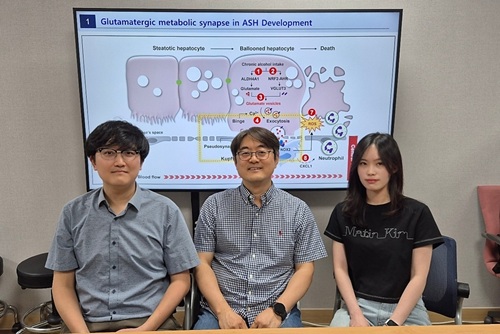
<(From left)Dr. Keungmo Yang, Professor Won-Il Jeong, Ph.D candidate Kyurae Kim>
Excessive alcohol consumption causes alcoholic liver disease, and about 20% of these cases progress to alcohol-associated steatohepatitis (ASH), which can lead to liver cirrhosis and liver failure. Early diagnosis and treatment are therefore extremely important. A KAIST research team has identified a new molecular mechanism in which alcohol-damaged liver cells increase reactive oxygen species (ROS), leading to cell death and inflammatory responses. In addition, they discovered that Kupffer cells, immune cells residing in the liver, act as a “dual-function regulator” that can either promote or suppress inflammation through interactions with liver cells.
KAIST (President Kwang-Hyung Lee) announced on the 17th that a research team led by Professor Won-Il Jeong from the Graduate School of Medical Science and Engineering, in collaboration with Professor Won Kim’s team at Seoul National University Boramae Medical Center, has uncovered the molecular pathway of liver damage and inflammation caused by alcohol consumption. This finding offers new clues for the diagnosis and treatment of alcohol-associated liver disease (ALD).
Professor Won-Il Jeong’s research team found that during chronic alcohol intake, expression of the vesicular glutamate transporter VGLUT3 increases, leading to glutamate accumulation in hepatocytes. Subsequent binge drinking causes rapid changes in intracellular calcium levels, which then triggers glutamate* secretion. The secreted glutamate stimulates the glutamate receptor mGluR5 on liver-resident macrophages (Kupffer cells), which induces ROS production and activates a pathological pathway resulting in hepatocyte death and inflammation.
*Glutamate: A type of amino acid involved in intercellular signaling, protein synthesis, and energy metabolism in various tissues including the brain and liver. In excess, it can cause overexcitation and death of nerve cells.
Glutamate accumulation in perivenous hepatocytes through vesicular glutamate transporter 3 after 2-week EtOH intake and its release by binge drinking>
A particularly groundbreaking aspect of this study is that damaged hepatocytes and Kupffer cells can form a "pseudosynapse"—a structure similar to a synapse which is previously thought to occur only in the brain—enabling them to exchange signals. This is the first time such a phenomenon has been identified in the liver.
This pseudosynapse forms when hepatocytes expand (ballooning) due to alcohol, becoming physically attached to Kupffer cells. Simply put, the damaged hepatocytes don’t just die—they send distress signals to nearby immune cells, prompting a response.
This discovery proposes a new paradigm: even in peripheral organs, direct structural contact between cells can allow signal transmission. It also shows that damaged hepatocytes can actively stimulate macrophages and induce regeneration through cell death, revealing the liver’s “autonomous recovery function.”
The team also confirmed in animal models that genetic or pharmacological inhibition of VGLUT3, mGluR5, or the ROS-producing enzyme NOX2 reduces alcohol-induced liver damage. They also confirmed that the same mechanism observed in animal models was present in human patients with ALD by analyzing blood and liver tissue samples.
Professor Won-Il Jeong of KAIST said, “These findings may serve as new molecular targets for early diagnosis and treatment of ASH in the future.”
This study was jointly led by Dr. Keungmo Yang (now at Yeouido St. Mary’s Hospital) and Kyurae Kim, a doctoral candidate at KAIST, who served as co–first authors. It was conducted in collaboration with Professor Won Kim’s team at Seoul National University Boramae Medical Center and was published in the journal Nature Communications on July 1.
※ Article Title: Binge drinking triggers VGLUT3-mediated glutamate secretion and subsequent hepatic inflammation by activating mGluR5/NOX2 in Kupffer cells ※ DOI: https://doi.org/10.1038/s41467-025-60820-3
This study was supported by the Ministry of Science and ICT through the National Research Foundation of Korea's Global Leader Program, Mid-Career Researcher Program, and the Bio & Medical Technology Development Program.
2025.07.17 View 3431
KAIST reveals for the first time the mechanism by which alcohol triggers liver inflammation
<(From left)Dr. Keungmo Yang, Professor Won-Il Jeong, Ph.D candidate Kyurae Kim>
Excessive alcohol consumption causes alcoholic liver disease, and about 20% of these cases progress to alcohol-associated steatohepatitis (ASH), which can lead to liver cirrhosis and liver failure. Early diagnosis and treatment are therefore extremely important. A KAIST research team has identified a new molecular mechanism in which alcohol-damaged liver cells increase reactive oxygen species (ROS), leading to cell death and inflammatory responses. In addition, they discovered that Kupffer cells, immune cells residing in the liver, act as a “dual-function regulator” that can either promote or suppress inflammation through interactions with liver cells.
KAIST (President Kwang-Hyung Lee) announced on the 17th that a research team led by Professor Won-Il Jeong from the Graduate School of Medical Science and Engineering, in collaboration with Professor Won Kim’s team at Seoul National University Boramae Medical Center, has uncovered the molecular pathway of liver damage and inflammation caused by alcohol consumption. This finding offers new clues for the diagnosis and treatment of alcohol-associated liver disease (ALD).
Professor Won-Il Jeong’s research team found that during chronic alcohol intake, expression of the vesicular glutamate transporter VGLUT3 increases, leading to glutamate accumulation in hepatocytes. Subsequent binge drinking causes rapid changes in intracellular calcium levels, which then triggers glutamate* secretion. The secreted glutamate stimulates the glutamate receptor mGluR5 on liver-resident macrophages (Kupffer cells), which induces ROS production and activates a pathological pathway resulting in hepatocyte death and inflammation.
*Glutamate: A type of amino acid involved in intercellular signaling, protein synthesis, and energy metabolism in various tissues including the brain and liver. In excess, it can cause overexcitation and death of nerve cells.
Glutamate accumulation in perivenous hepatocytes through vesicular glutamate transporter 3 after 2-week EtOH intake and its release by binge drinking>
A particularly groundbreaking aspect of this study is that damaged hepatocytes and Kupffer cells can form a "pseudosynapse"—a structure similar to a synapse which is previously thought to occur only in the brain—enabling them to exchange signals. This is the first time such a phenomenon has been identified in the liver.
This pseudosynapse forms when hepatocytes expand (ballooning) due to alcohol, becoming physically attached to Kupffer cells. Simply put, the damaged hepatocytes don’t just die—they send distress signals to nearby immune cells, prompting a response.
This discovery proposes a new paradigm: even in peripheral organs, direct structural contact between cells can allow signal transmission. It also shows that damaged hepatocytes can actively stimulate macrophages and induce regeneration through cell death, revealing the liver’s “autonomous recovery function.”
The team also confirmed in animal models that genetic or pharmacological inhibition of VGLUT3, mGluR5, or the ROS-producing enzyme NOX2 reduces alcohol-induced liver damage. They also confirmed that the same mechanism observed in animal models was present in human patients with ALD by analyzing blood and liver tissue samples.
Professor Won-Il Jeong of KAIST said, “These findings may serve as new molecular targets for early diagnosis and treatment of ASH in the future.”
This study was jointly led by Dr. Keungmo Yang (now at Yeouido St. Mary’s Hospital) and Kyurae Kim, a doctoral candidate at KAIST, who served as co–first authors. It was conducted in collaboration with Professor Won Kim’s team at Seoul National University Boramae Medical Center and was published in the journal Nature Communications on July 1.
※ Article Title: Binge drinking triggers VGLUT3-mediated glutamate secretion and subsequent hepatic inflammation by activating mGluR5/NOX2 in Kupffer cells ※ DOI: https://doi.org/10.1038/s41467-025-60820-3
This study was supported by the Ministry of Science and ICT through the National Research Foundation of Korea's Global Leader Program, Mid-Career Researcher Program, and the Bio & Medical Technology Development Program.
2025.07.17 View 3431 -
 KAIST Kicks Off the Expansion of its Creative Learning Building, a 50th Anniversary Donation Landmark
KAIST announced on July 10th that it held a groundbreaking ceremony on July 9th for the expansion of its Creative Learning Building. This project, which celebrates the university's 50th anniversary, will become a significant donation-funded landmark and marks the official start of its construction.
<(From left) President Kwang Hyung Lee, Former President Sung-Chul Shin>
The groundbreaking ceremony was attended by key donors who graced the occasion, including KAIST President Kwang Hyung Lee, former President Sung-Chul Shin, Alumni Association President Yoon-Tae Lee, as well as parents and faculty member.
The Creative Learning Building serves as a primary space where KAIST undergraduate and graduate students attend lectures, functioning as a central hub for a variety of classes and talks. It also houses student support departments, including the Student Affairs Office, establishing itself as a student-centric complex that integrates educational, counseling, and welfare functions.
This expansion is more than just an increase in educational facilities; it's being developed as a "donation landmark" embodying KAIST's identity and future vision. Designed with a focus on creative convergence education, this project aims to create a new educational hub that organically combines education, exchange, and welfare functions
The campaign included over 230 participants, including KAIST alumni Byung-gyu Chang, Chairman of Krafton, former Alumni Association President Ki-chul Cha, Dr. Kun-mo Chung (former Minister of Science and Technology), as well as faculty members, parents, and current students. They collectively raised 6.5 billion KRW in donations. The total cost for this expansion project is 9 billion KRW, encompassing a gross floor area of 3,222.92㎡ across five above-ground floors, with completion targeted for September 2026.
2025.07.10 View 3921
KAIST Kicks Off the Expansion of its Creative Learning Building, a 50th Anniversary Donation Landmark
KAIST announced on July 10th that it held a groundbreaking ceremony on July 9th for the expansion of its Creative Learning Building. This project, which celebrates the university's 50th anniversary, will become a significant donation-funded landmark and marks the official start of its construction.
<(From left) President Kwang Hyung Lee, Former President Sung-Chul Shin>
The groundbreaking ceremony was attended by key donors who graced the occasion, including KAIST President Kwang Hyung Lee, former President Sung-Chul Shin, Alumni Association President Yoon-Tae Lee, as well as parents and faculty member.
The Creative Learning Building serves as a primary space where KAIST undergraduate and graduate students attend lectures, functioning as a central hub for a variety of classes and talks. It also houses student support departments, including the Student Affairs Office, establishing itself as a student-centric complex that integrates educational, counseling, and welfare functions.
This expansion is more than just an increase in educational facilities; it's being developed as a "donation landmark" embodying KAIST's identity and future vision. Designed with a focus on creative convergence education, this project aims to create a new educational hub that organically combines education, exchange, and welfare functions
The campaign included over 230 participants, including KAIST alumni Byung-gyu Chang, Chairman of Krafton, former Alumni Association President Ki-chul Cha, Dr. Kun-mo Chung (former Minister of Science and Technology), as well as faculty members, parents, and current students. They collectively raised 6.5 billion KRW in donations. The total cost for this expansion project is 9 billion KRW, encompassing a gross floor area of 3,222.92㎡ across five above-ground floors, with completion targeted for September 2026.
2025.07.10 View 3921 -
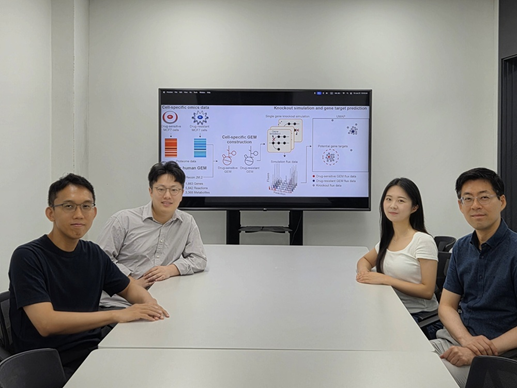 KAIST Presents a Breakthrough in Overcoming Drug Resistance in Cancer – Hope for Treating Intractable Diseases like Diabetes
<(From the left) Prof. Hyun Uk Kim, Ph.D candiate Hae Deok Jung, Ph.D candidate Jina Lim, Prof.Yoosik Kim from the Department of Chemical and Biomolecular Engineering>
One of the biggest obstacles in cancer treatment is drug resistance in cancer cells. Conventional efforts have focused on identifying new drug targets to eliminate these resistant cells, but such approaches can often lead to even stronger resistance. Now, researchers at KAIST have developed a computational framework to predict key metabolic genes that can re-sensitize resistant cancer cells to treatment. This technique holds promise not only for a variety of cancer therapies but also for treating metabolic diseases such as diabetes.
On the 7th of July, KAIST (President Kwang Hyung Lee) announced that a research team led by Professors Hyun Uk Kim and Yoosik Kim from the Department of Chemical and Biomolecular Engineering had developed a computational framework that predicts metabolic gene targets to re-sensitize drug-resistant breast cancer cells. This was achieved using a metabolic network model capable of simulating human metabolism.
Focusing on metabolic alterations—key characteristics in the formation of drug resistance—the researchers developed a metabolism-based approach to identify gene targets that could enhance drug responsiveness by regulating the metabolism of drug-resistant breast cancer cells.
< Computational framework that can identify metabolic gene targets to revert the metabolic state of the drug-resistant cells to that of the drug-sensitive parental cells>
The team first constructed cell-specific metabolic network models by integrating proteomic data obtained from two different types of drug-resistant MCF7 breast cancer cell lines: one resistant to doxorubicin and the other to paclitaxel. They then performed gene knockout simulations* on all of the metabolic genes and analyzed the results.
*Gene knockout simulation: A computational method to predict changes in a biological network by virtually removing specific genes.
As a result, they discovered that suppressing certain genes could make previously resistant cancer cells responsive to anticancer drugs again. Specifically, they identified GOT1 as a target in doxorubicin-resistant cells, GPI in paclitaxel-resistant cells, and SLC1A5 as a common target for both drugs.
The predictions were experimentally validated by suppressing proteins encoded by these genes, which led to the re-sensitization of the drug-resistant cancer cells.
Furthermore, consistent re-sensitization effects were also observed when the same proteins were inhibited in other types of breast cancer cells that had developed resistance to the same drugs.
Professor Yoosik Kim remarked, “Cellular metabolism plays a crucial role in various intractable diseases including infectious and degenerative conditions. This new technology, which predicts metabolic regulation switches, can serve as a foundational tool not only for treating drug-resistant breast cancer but also for a wide range of diseases that currently lack effective therapies.”
Professor Hyun Uk Kim, who led the study, emphasized, “The significance of this research lies in our ability to accurately predict key metabolic genes that can make resistant cancer cells responsive to treatment again—using only computer simulations and minimal experimental data. This framework can be widely applied to discover new therapeutic targets in various cancers and metabolic diseases.”
The study, in which Ph.D. candidates JinA Lim and Hae Deok Jung from KAIST participated as co-first authors, was published online on June 25 in Proceedings of the National Academy of Sciences (PNAS), a leading multidisciplinary journal that covers top-tier research in life sciences, physics, engineering, and social sciences.
※ Title: Genome-scale knockout simulation and clustering analysis of drug-resistant breast cancer cells reveal drug sensitization targets ※ DOI: https://doi.org/10.1073/pnas.2425384122 ※ Authors: JinA Lim (KAIST, co-first author), Hae Deok Jung (KAIST, co-first author), Han Suk Ryu (Seoul National University Hospital, corresponding author), Yoosik Kim (KAIST, corresponding author), Hyun Uk Kim (KAIST, corresponding author), and five others.
This research was supported by the Ministry of Science and ICT through the National Research Foundation of Korea, and the Electronics and Telecommunications Research Institute (ETRI).
2025.07.08 View 5984
KAIST Presents a Breakthrough in Overcoming Drug Resistance in Cancer – Hope for Treating Intractable Diseases like Diabetes
<(From the left) Prof. Hyun Uk Kim, Ph.D candiate Hae Deok Jung, Ph.D candidate Jina Lim, Prof.Yoosik Kim from the Department of Chemical and Biomolecular Engineering>
One of the biggest obstacles in cancer treatment is drug resistance in cancer cells. Conventional efforts have focused on identifying new drug targets to eliminate these resistant cells, but such approaches can often lead to even stronger resistance. Now, researchers at KAIST have developed a computational framework to predict key metabolic genes that can re-sensitize resistant cancer cells to treatment. This technique holds promise not only for a variety of cancer therapies but also for treating metabolic diseases such as diabetes.
On the 7th of July, KAIST (President Kwang Hyung Lee) announced that a research team led by Professors Hyun Uk Kim and Yoosik Kim from the Department of Chemical and Biomolecular Engineering had developed a computational framework that predicts metabolic gene targets to re-sensitize drug-resistant breast cancer cells. This was achieved using a metabolic network model capable of simulating human metabolism.
Focusing on metabolic alterations—key characteristics in the formation of drug resistance—the researchers developed a metabolism-based approach to identify gene targets that could enhance drug responsiveness by regulating the metabolism of drug-resistant breast cancer cells.
< Computational framework that can identify metabolic gene targets to revert the metabolic state of the drug-resistant cells to that of the drug-sensitive parental cells>
The team first constructed cell-specific metabolic network models by integrating proteomic data obtained from two different types of drug-resistant MCF7 breast cancer cell lines: one resistant to doxorubicin and the other to paclitaxel. They then performed gene knockout simulations* on all of the metabolic genes and analyzed the results.
*Gene knockout simulation: A computational method to predict changes in a biological network by virtually removing specific genes.
As a result, they discovered that suppressing certain genes could make previously resistant cancer cells responsive to anticancer drugs again. Specifically, they identified GOT1 as a target in doxorubicin-resistant cells, GPI in paclitaxel-resistant cells, and SLC1A5 as a common target for both drugs.
The predictions were experimentally validated by suppressing proteins encoded by these genes, which led to the re-sensitization of the drug-resistant cancer cells.
Furthermore, consistent re-sensitization effects were also observed when the same proteins were inhibited in other types of breast cancer cells that had developed resistance to the same drugs.
Professor Yoosik Kim remarked, “Cellular metabolism plays a crucial role in various intractable diseases including infectious and degenerative conditions. This new technology, which predicts metabolic regulation switches, can serve as a foundational tool not only for treating drug-resistant breast cancer but also for a wide range of diseases that currently lack effective therapies.”
Professor Hyun Uk Kim, who led the study, emphasized, “The significance of this research lies in our ability to accurately predict key metabolic genes that can make resistant cancer cells responsive to treatment again—using only computer simulations and minimal experimental data. This framework can be widely applied to discover new therapeutic targets in various cancers and metabolic diseases.”
The study, in which Ph.D. candidates JinA Lim and Hae Deok Jung from KAIST participated as co-first authors, was published online on June 25 in Proceedings of the National Academy of Sciences (PNAS), a leading multidisciplinary journal that covers top-tier research in life sciences, physics, engineering, and social sciences.
※ Title: Genome-scale knockout simulation and clustering analysis of drug-resistant breast cancer cells reveal drug sensitization targets ※ DOI: https://doi.org/10.1073/pnas.2425384122 ※ Authors: JinA Lim (KAIST, co-first author), Hae Deok Jung (KAIST, co-first author), Han Suk Ryu (Seoul National University Hospital, corresponding author), Yoosik Kim (KAIST, corresponding author), Hyun Uk Kim (KAIST, corresponding author), and five others.
This research was supported by the Ministry of Science and ICT through the National Research Foundation of Korea, and the Electronics and Telecommunications Research Institute (ETRI).
2025.07.08 View 5984 -
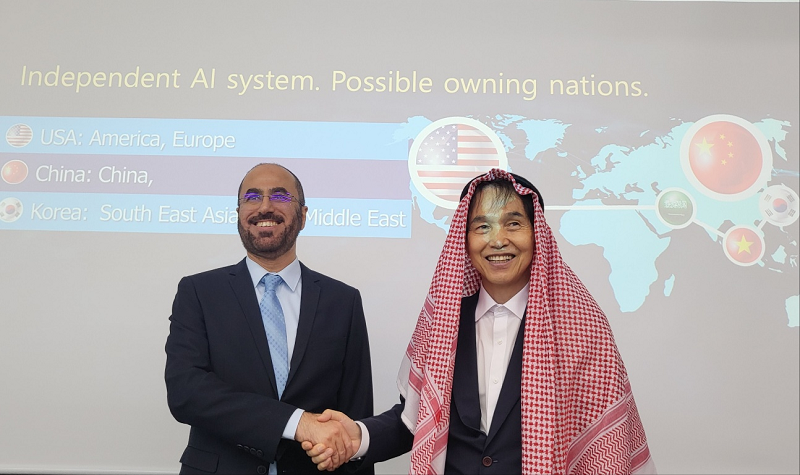 King Saud University and KAIST discussed Strategic AI Partnership
<From left> President Abdulla Al-Salman(King Saud University), President Kwang Hyung Lee(KAIST)
KAIST (President Kwang Hyung Lee) and King Saud University (President Abdulla Al-Salman) held a meeting on July 3 at the KAIST Campus in Seoul and agreed to pursue strategic cooperation in AI and digital platform development. The global AI landscape is increasingly polarized between closed models developed by the U.S. and China’s nationally focused technology ecosystems. In this context, many neutral countries have consistently called for an alternative third model that promotes both technological diversity and open access. President Lee has previously advocated for a "Tripartite Platform Strategy" (三分之計), proposing an international collaboration framework based on open-source principles to be free from binary digital power structures and foster cooperative coexistence.
This KAIST-KSU collaboration represents a step toward developing a new, inclusive AI model. The collaboration aims to establish an innovative multilateral framework, especially within the MENA, Japan, Korea, and Southeast Asia, by building an open-source-based AI alliance. Both institutions bring complementary strengths to the table. Saudi Arabia possesses large-scale capital and digital infrastructure, while Korea leads in core AI and semiconductor technologies, applied research, and talent cultivation.
Together, the two nations aim to establish a sustainable collaboration model that creates a virtuous cycle of investment, technology, and talent. This initiative is expected to contribute to the development of an open AI platform and promote diversity in the global AI ecosystem.
During the meeting, the two sides discussed key areas of future cooperation, including:
· Joint development of open-source AI technologies and digital platforms
· Launch of a KAIST-KSU dual graduate degree program
· Expansion of exchange programs for students, faculty, and researchers
· Collaborative research in basic science and STEM disciplines
In particular, the two institutions discussed to establish a joint AI research center to co-develop open AI models and explore practical industrial applications. The goal is to broaden access to AI technology and create an inclusive innovation environment for more countries and institutions.
President Abdulla Al-Salman stated, "Under Saudi Vision 2030, we are driving innovation in science and technology through new leadership, openness, and strategic investment. This partnership with KAIST will serve as a critical foundation for building a competitive AI ecosystem in the Middle East."
President Kwang Hyung Lee emphasized, "By combining Saudi Arabia's leadership, market, and investment capacity with KAIST's technological innovation and the rich talent pools from both countries, we will significantly contribute to diversifying the global AI ecosystem."
Both leaders further noted, "Through joint research leading to an independent AI model, our two institutions could establish a new axis beyond the existing US-China digital order—realizing a 'Tripartite AI Strategy' that will propel us into global markets extending far beyond the MENA and ASEAN regions."
KAIST and KSU plan to formalize this agreement by signing an MOU in the near future, followed by concrete actions such as launching the joint research institute and global talent development programs. This collaboration was initiated under the Korea Foundation’s Distinguished Guests Invitation Program, overseen by the Ministry of Foreign Affairs, and is expected to grow into a long-term strategic partnership with continued support from KF.
About King Saud University (KSU)
Founded in 1957, KSU is Saudi Arabia’s first and leading national university. As a top research-oriented institution in the Middle East, it has achieved international recognition in fields such as AI, energy, and biotechnology. It plays a central role in nurturing talent and driving innovation aligned with Saudi Arabia’s Vision 2030, and is expanding global partnerships to further strengthen its research capabilities.
About the Korea Foundation (KF)
Established in 1991 under the Ministry of Foreign Affairs, the Korea Foundation is a public diplomacy institution dedicated to strengthening international understanding and friendship with Korea. KF plays a key role in expanding Korea’s soft power through academic and cultural exchange, people-to-people networks, and global Korean studies programs. Its Distinguished Guests Invitation Program fosters strategic partnerships with global leaders in government, academia, and industry.
2025.07.04 View 5219
King Saud University and KAIST discussed Strategic AI Partnership
<From left> President Abdulla Al-Salman(King Saud University), President Kwang Hyung Lee(KAIST)
KAIST (President Kwang Hyung Lee) and King Saud University (President Abdulla Al-Salman) held a meeting on July 3 at the KAIST Campus in Seoul and agreed to pursue strategic cooperation in AI and digital platform development. The global AI landscape is increasingly polarized between closed models developed by the U.S. and China’s nationally focused technology ecosystems. In this context, many neutral countries have consistently called for an alternative third model that promotes both technological diversity and open access. President Lee has previously advocated for a "Tripartite Platform Strategy" (三分之計), proposing an international collaboration framework based on open-source principles to be free from binary digital power structures and foster cooperative coexistence.
This KAIST-KSU collaboration represents a step toward developing a new, inclusive AI model. The collaboration aims to establish an innovative multilateral framework, especially within the MENA, Japan, Korea, and Southeast Asia, by building an open-source-based AI alliance. Both institutions bring complementary strengths to the table. Saudi Arabia possesses large-scale capital and digital infrastructure, while Korea leads in core AI and semiconductor technologies, applied research, and talent cultivation.
Together, the two nations aim to establish a sustainable collaboration model that creates a virtuous cycle of investment, technology, and talent. This initiative is expected to contribute to the development of an open AI platform and promote diversity in the global AI ecosystem.
During the meeting, the two sides discussed key areas of future cooperation, including:
· Joint development of open-source AI technologies and digital platforms
· Launch of a KAIST-KSU dual graduate degree program
· Expansion of exchange programs for students, faculty, and researchers
· Collaborative research in basic science and STEM disciplines
In particular, the two institutions discussed to establish a joint AI research center to co-develop open AI models and explore practical industrial applications. The goal is to broaden access to AI technology and create an inclusive innovation environment for more countries and institutions.
President Abdulla Al-Salman stated, "Under Saudi Vision 2030, we are driving innovation in science and technology through new leadership, openness, and strategic investment. This partnership with KAIST will serve as a critical foundation for building a competitive AI ecosystem in the Middle East."
President Kwang Hyung Lee emphasized, "By combining Saudi Arabia's leadership, market, and investment capacity with KAIST's technological innovation and the rich talent pools from both countries, we will significantly contribute to diversifying the global AI ecosystem."
Both leaders further noted, "Through joint research leading to an independent AI model, our two institutions could establish a new axis beyond the existing US-China digital order—realizing a 'Tripartite AI Strategy' that will propel us into global markets extending far beyond the MENA and ASEAN regions."
KAIST and KSU plan to formalize this agreement by signing an MOU in the near future, followed by concrete actions such as launching the joint research institute and global talent development programs. This collaboration was initiated under the Korea Foundation’s Distinguished Guests Invitation Program, overseen by the Ministry of Foreign Affairs, and is expected to grow into a long-term strategic partnership with continued support from KF.
About King Saud University (KSU)
Founded in 1957, KSU is Saudi Arabia’s first and leading national university. As a top research-oriented institution in the Middle East, it has achieved international recognition in fields such as AI, energy, and biotechnology. It plays a central role in nurturing talent and driving innovation aligned with Saudi Arabia’s Vision 2030, and is expanding global partnerships to further strengthen its research capabilities.
About the Korea Foundation (KF)
Established in 1991 under the Ministry of Foreign Affairs, the Korea Foundation is a public diplomacy institution dedicated to strengthening international understanding and friendship with Korea. KF plays a key role in expanding Korea’s soft power through academic and cultural exchange, people-to-people networks, and global Korean studies programs. Its Distinguished Guests Invitation Program fosters strategic partnerships with global leaders in government, academia, and industry.
2025.07.04 View 5219 -
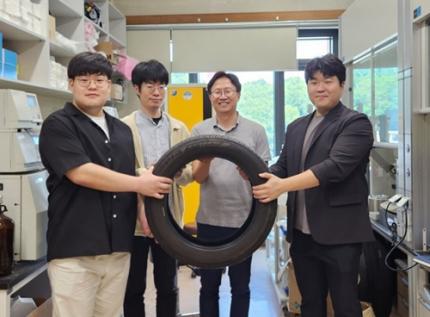 New and Highly Efficient Recycling Technology to Turn Used Tires into Raw Materials for Rubber and Nylon
< (From left) Kyungmin Choi (MS-Ph.D. integrated course, Department of Chemistry), Dr. Beomsoon Park, Professor Soon Hyeok Hong, Dr. Kyoungil Cho >
Approximately 1.5 billions of tires are discarded globally every year, and this is identified as one of the major causes of serious environmental pollution. The research team at the Department of Chemistry at KAIST has achieved a breakthrough by selectively converting waste tires into high-purity cyclic alkenes, valuable chemical building blocks used in the production of rubber and nylon fibers. This advance marks a new milestone in chemical recycling technology for waste tires.
The team, led by Professor Soon Hyeok Hong, has developed a dual-catalyst-based reaction system that overcomes the long-standing challenges associated with recycling vulcanized rubber materials.
Tires are composed of complex blends of synthetic and natural rubber, and their physical strength and durability are reinforced with additives such as silica, carbon black, and antioxidants. In particular, cross-linking between rubber chains is formed through the vulcanization process, giving them a structure resistant to heat and pressure, which is one of the main reasons why chemical recycling of waste tires is difficult.
Until now, waste tire recycling has mainly relied on pyrolysis or mechanical recycling methods. The pyrolysis method is a technology that decomposes polymer chains at high temperatures of 350-800°C to convert them into fuel oil, but it clearly has limitations such as high energy consumption, low selectivity, and the production of low-quality hydrocarbon mixtures.
To solve these problems, the research team developed a method to convert waste rubber into useful chemicals using dual catalysis. The first catalyst helps to break down rubber molecules by changing their bonding structure, and the second catalyst creates cyclic compounds through a ring-closing reaction.
This process shows high selectivity of up to 92% and a yield of 82%. The produced cyclopentene can be recycled into rubber, and cyclohexene can be used as a raw material for nylon fibers, making them industrially very valuable.
The research team successfully applied the developed system to discarded waste tires, achieving selective conversion into high-purity cyclic alkenes. Unlike the existing pyrolysis method, this is evaluated as a new turning point in the field of waste tire recycling as it can produce high-value chemicals through low-temperature precision catalytic reactions.
In addition, this catalytic platform is compatible with a wide range of synthetic and waste rubbers, positioning it as a promising foundation for scalable, circular solutions in the polymer and materials industries.
< Figure 1. Development of a Catalytic Method for Chemical Recycling of Waste Rubber >
Professor Hong stated, "This research offers an innovative solution for the chemical recycling of waste tires. We aim to develop next-generation high-efficiency catalysts and lay the groundwork for commercialization to enhance economic feasibility. Ultimately, our goal is to contribute to solving the broader waste plastic problem through fundamental chemistry."
This research, in which Beomsoon Park, Kyoungil Cho, and Kyungmin Choi participated, was supported by the National Research Foundation of Korea and was published online in the internationally renowned academic journal ‘Chem’ on June 18th.
※Paper Title: Catalytic and Selective Chemical Recycling of Post-Consumer Rubbers into Cycloalkenes
※DOI: 10.1016/j.chempr.2025.102625
2025.06.26 View 7702
New and Highly Efficient Recycling Technology to Turn Used Tires into Raw Materials for Rubber and Nylon
< (From left) Kyungmin Choi (MS-Ph.D. integrated course, Department of Chemistry), Dr. Beomsoon Park, Professor Soon Hyeok Hong, Dr. Kyoungil Cho >
Approximately 1.5 billions of tires are discarded globally every year, and this is identified as one of the major causes of serious environmental pollution. The research team at the Department of Chemistry at KAIST has achieved a breakthrough by selectively converting waste tires into high-purity cyclic alkenes, valuable chemical building blocks used in the production of rubber and nylon fibers. This advance marks a new milestone in chemical recycling technology for waste tires.
The team, led by Professor Soon Hyeok Hong, has developed a dual-catalyst-based reaction system that overcomes the long-standing challenges associated with recycling vulcanized rubber materials.
Tires are composed of complex blends of synthetic and natural rubber, and their physical strength and durability are reinforced with additives such as silica, carbon black, and antioxidants. In particular, cross-linking between rubber chains is formed through the vulcanization process, giving them a structure resistant to heat and pressure, which is one of the main reasons why chemical recycling of waste tires is difficult.
Until now, waste tire recycling has mainly relied on pyrolysis or mechanical recycling methods. The pyrolysis method is a technology that decomposes polymer chains at high temperatures of 350-800°C to convert them into fuel oil, but it clearly has limitations such as high energy consumption, low selectivity, and the production of low-quality hydrocarbon mixtures.
To solve these problems, the research team developed a method to convert waste rubber into useful chemicals using dual catalysis. The first catalyst helps to break down rubber molecules by changing their bonding structure, and the second catalyst creates cyclic compounds through a ring-closing reaction.
This process shows high selectivity of up to 92% and a yield of 82%. The produced cyclopentene can be recycled into rubber, and cyclohexene can be used as a raw material for nylon fibers, making them industrially very valuable.
The research team successfully applied the developed system to discarded waste tires, achieving selective conversion into high-purity cyclic alkenes. Unlike the existing pyrolysis method, this is evaluated as a new turning point in the field of waste tire recycling as it can produce high-value chemicals through low-temperature precision catalytic reactions.
In addition, this catalytic platform is compatible with a wide range of synthetic and waste rubbers, positioning it as a promising foundation for scalable, circular solutions in the polymer and materials industries.
< Figure 1. Development of a Catalytic Method for Chemical Recycling of Waste Rubber >
Professor Hong stated, "This research offers an innovative solution for the chemical recycling of waste tires. We aim to develop next-generation high-efficiency catalysts and lay the groundwork for commercialization to enhance economic feasibility. Ultimately, our goal is to contribute to solving the broader waste plastic problem through fundamental chemistry."
This research, in which Beomsoon Park, Kyoungil Cho, and Kyungmin Choi participated, was supported by the National Research Foundation of Korea and was published online in the internationally renowned academic journal ‘Chem’ on June 18th.
※Paper Title: Catalytic and Selective Chemical Recycling of Post-Consumer Rubbers into Cycloalkenes
※DOI: 10.1016/j.chempr.2025.102625
2025.06.26 View 7702